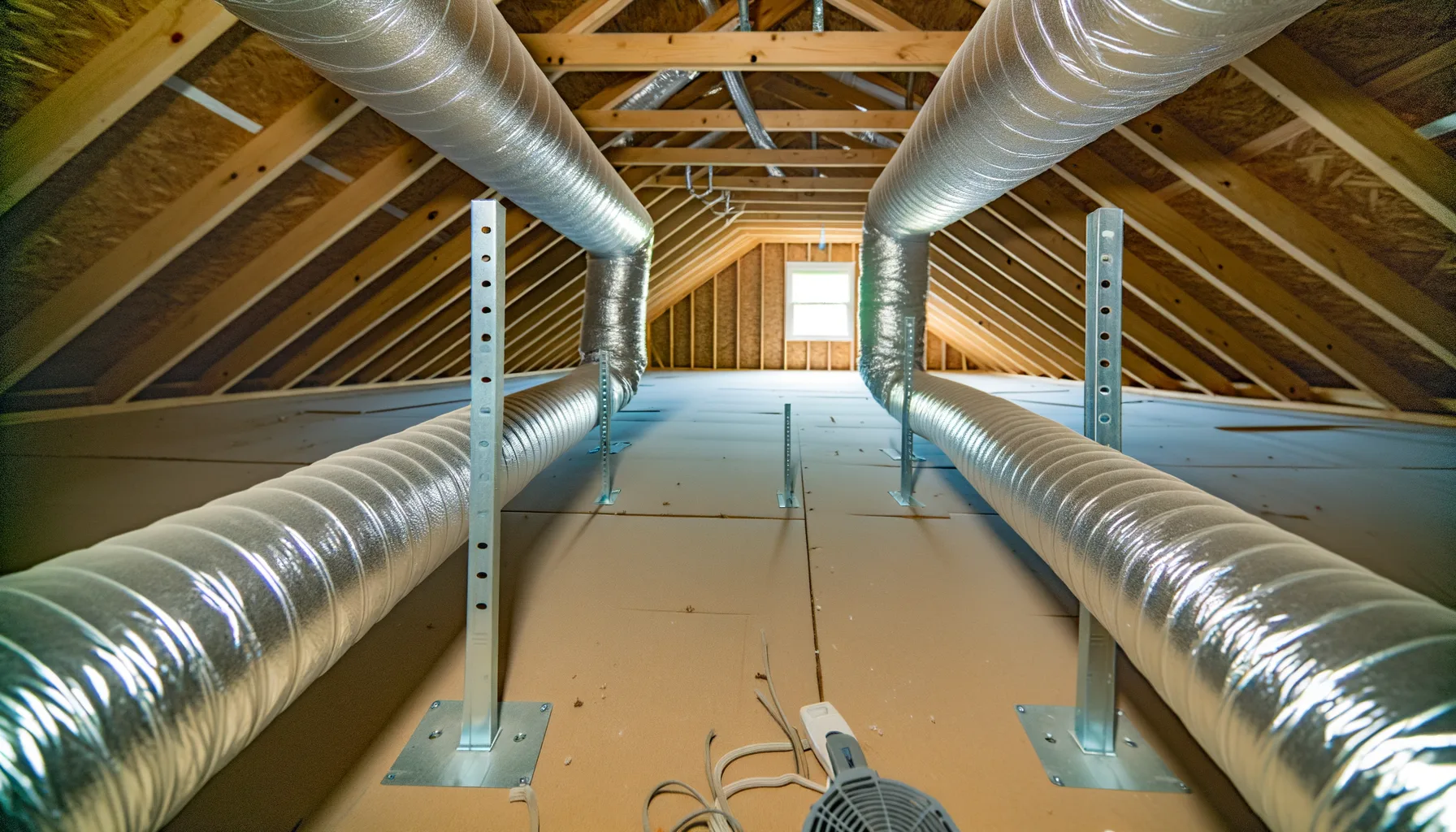
Top 3 AC Problems Miami Homeowners Report Every Spring
Published: 2026-04-25 · By Nanovis Innovations AC Repairs West Little River
As springtime dawns in Miami, homeowners often prepare for the seasonal shift that carries subtle but significant changes in air conditioning needs. With humidity levels soaring and temperatures rising, AC systems play a pivotal role in creating a comfortable indoor environment. However, as our tropical storms roll in, many residents find themselves swamped with unexpected air conditioning problems. Are you ready for a sudden breakdown just when you need cool air the most?
Why This Matters for Miami Homeowners
The first problem commonly faced by Miami homeowners is clogged filters. Given the high humidity and the prevalence of dust and salt air, filters can quickly become blocked, restricting airflow and causing your AC unit to work inefficiently. This not only drives up energy costs but can also lead to premature system failure.
Secondly, refrigerant leaks rank high on the list of concerns. The salt air in coastal areas like Miami can contribute to corrosion in AC units, potentially leading to leaks. A refrigerant shortage means less effective cooling, prompting homeowners to deal with rising indoor temperatures and humidity levels.
Expert Solutions & Actionable Tips
1. Routine Filter Replacement
To combat clogged filters, schedule replacements every 1 to 3 months, especially during high-use seasons. Filters typically cost between $10 and $25, making it an easy yet essential maintenance task. For optimal performance, consider investing in high-efficiency filters that can better trap airborne particles.
Miami homeowners should also establish a seasonal maintenance plan with local professionals like Nanovis Innovations AC Repairs West Little River. Regular check-ups can prevent minor issues from evolving into costly repairs.
2. Insulating and Protecting Your Unit
To reduce the risk of corrosion, applying protective coatings on exposed metal can mitigate damage from salt air. Costs vary, but homeowners can expect to invest around $200 for professional applications. Additionally, consider covering the outdoor unit during significant storms to minimize water damage.
Keep landscaping trimmed to ensure that vegetation does not obstruct air flow to the unit. Proper airflow is essential in maintaining effective cooling, particularly in humid conditions.
3. Addressing Refrigerant Leaks
Identifying a refrigerant leak requires professional testing, which generally costs between $150 and $300. Early detection is vital, as ignoring a leak can lead to significant repairs or even full system replacement. Schedule annual inspections to safeguard against these hidden issues.
Once a leak is confirmed, prompt repairs will not only enhance comfort but also ensure compliance with environmental regulations regarding refrigerant gases.
4. Protecting Electrical Components
Installing surge protectors can add a layer of safety for your AC system against electrical surges. These can cost around $100 to $500, depending on installation complexity and unit type. Miami homeowners often overlook this added protection, leaving units vulnerable to storm-induced damage.
Also, check that all electrical wiring is up to code, especially in older homes where systems may not have been updated to meet today's safety standards.
5. Consider Upgrading Your AC Unit
If your unit is over ten years old, it might be time to consider an upgrade. While initial costs for new units can range from $3,000 to $7,000, energy-efficient models lower monthly bills and improve indoor air quality. Look for units with high SEER ratings for optimal efficiency.
Take advantage of local rebates or incentives, which often help offset installation costs and encourage energy savings.
6. Emergency Preparedness
Creating an emergency plan for your AC system can save you time and stress. Stock essential supplies such as filters and electrical tape, which could be invaluable in a pinch. Allocate around $50 for these initial costs to prevent more expensive downtime during peak heat.
Establish contact with local repair services, like Nanovis Innovations AC Repairs West Little River, ensuring you have a direct line for urgent repairs when storms threaten your home.
Miami Climate & Local Context
Miami's unique climate presents both opportunities and challenges for homeowners. The heavy humidity is not just a comfort issue but an operational one for your air conditioning. Elevated homes often incorporate moisture barriers, however, salt air corrosion can quickly damage exposed systems. Regular maintenance helps offset the wear and tear from these environmental factors.
Building codes in Miami require specific HVAC standards to combat risks associated with severe weather events, such as hurricanes. Ensuring that your system complies with these codes is not just about comfort; it’s about safety.
When to Call a Professional
While DIY repairs can be an attractive option for many homeowners, there are certain scenarios where enlisting professional help is imperative. Trying to fix issues without adequate knowledge risks further damage and higher costs.
- Refrigerant leaks or loss
- Electrical issues or blown fuses
- Severe corrosion or rusting on components
- Unexplained increases in energy costs
- Constantly running units without cooling
- Strange noises or odors from your AC
If you encounter any of these issues, it’s best to contact a pro like Nanovis Innovations AC Repairs West Little River. They can diagnose the problem quickly and restore your AC system effectively.
Frequently Asked Questions
What is the average lifespan of an AC system in Miami?
In Miami's humid climate, the average lifespan of an air conditioning system is about 10 to 15 years, depending on maintenance and usage patterns.
How can I improve the efficiency of my AC unit?
Regular maintenance, such as changing filters and clearing debris from the outside unit, can significantly enhance your AC's efficiency.
Are there any local incentives for upgrading my AC system?
Yes, Miami residents often qualify for rebates on energy-efficient units and installations through local energy programs.
What should I do if my AC smells funny?
Any unusual odors should be addressed immediately; it could indicate mold growth or electrical issues, necessitating a professional inspection.
How often should I schedule maintenance for my AC unit?
It's recommended to schedule maintenance at least once per year, but biannual checks are ideal in Miami's weather conditions.
Get Expert Air Conditioning Repair Service in Miami
Spring is the perfect time to prep your AC for the hot months ahead. If you're facing any issues or simply need a routine check-up, don’t hesitate to reach out. Call (305) 786-0136 today!
Nanovis Innovations AC Repairs West Little River is dedicated to helping Miami homeowners maintain comfortable and efficient cooling in the face of unpredictable tropical weather.