AC Refrigerant Leaks in Miami: 7 Warning Signs to Watch For
Published: 2026-04-25 · By Nanovis Innovations AC Repairs West Little River
Imagine a sweltering afternoon in Miami, with humidity levels that feel like a warm blanket wrapped around you. You're about to settle in and enjoy the cool relief of your air conditioning, only to notice that the chill has faded. Instead of a refreshing breeze, you hear the soft pitter-patter of water dripping. Such moments can signal a refrigerant leak, a troubling situation in our tropical climate.
Understanding the early warning signs of AC refrigerant leaks is crucial for Miami homeowners. Given our unique weather challenges, like salt air corrosion and frequent storms, spotting these issues early can save you from hefty repair bills down the road.
Why This Matters for Miami Homeowners
Air conditioning systems are vital in Miami's high humidity environment, where temperatures can soar and the air feels sticky. Refrigerant leaks can diminish your system's efficiency, forcing it to work harder and resulting in increased energy costs. This puts unnecessary strain on the unit, causing parts to wear faster, and leading to both inefficient cooling and a higher likelihood of breakdown during peak usage.
In Miami, where tropical storms can cause additional strain on your air conditioning system, even minor issues can escalate quickly. If you suspect a refrigerant leak, it’s crucial to address it promptly.
Moreover, homes in the area, often elevated to combat flooding, may become even more vulnerable if moisture seeps in through a faulty AC system. Such leaks not only jeopardize your comfort but also the structural integrity of your home.
Expert Solutions & Actionable Tips
1. 1. Pay Attention to Temperature Differences
If your home feels warmer than the thermostat setting, refrigerant levels may be low. A well-functioning system should maintain the desired temperature without fluctuations. If you notice that certain rooms remain hot despite the AC running, it may point to a leak that needs immediate attention.
Call a professional to inspect the system as soon as possible, which typically costs around $75 to $200 for a diagnostic visit in Miami.
2. 2. Check for Ice Buildup
Seeing ice on the evaporator coils is a significant indicator of a refrigerant problem. When the refrigerant is low, coils can freeze, causing the unit to malfunction. In a humid environment like Miami, ice can accumulate quickly, leading to system failures if not addressed.
A repair can cost anywhere from $150 to $400, depending on the severity of the issue and whether a complete refrigerant recharge is necessary.
3. 3. Listen for Unusual Noises
Strange sounds from your AC unit, like hissing or bubbling, might indicate a refrigerant leak. This could also mean that the system is struggling to cycle the refrigerant properly. Pay attention: noises often precede significant failures if you’re not proactive.
Professional assessments in Miami for noise-related issues typically run from $100 to $250.
4. 4. Monitor Your Energy Bills
Unexpected spikes in your energy bill can be a red flag for an air conditioning issue, particularly refrigerant leaks. Since your unit works harder to provide cooling when refrigerant levels are low, you might notice higher monthly costs.
Regularly reviewing these bills can help you identify problems sooner, ideally preventing costly repairs later on.
5. 5. Inspect the Area Around Your Unit
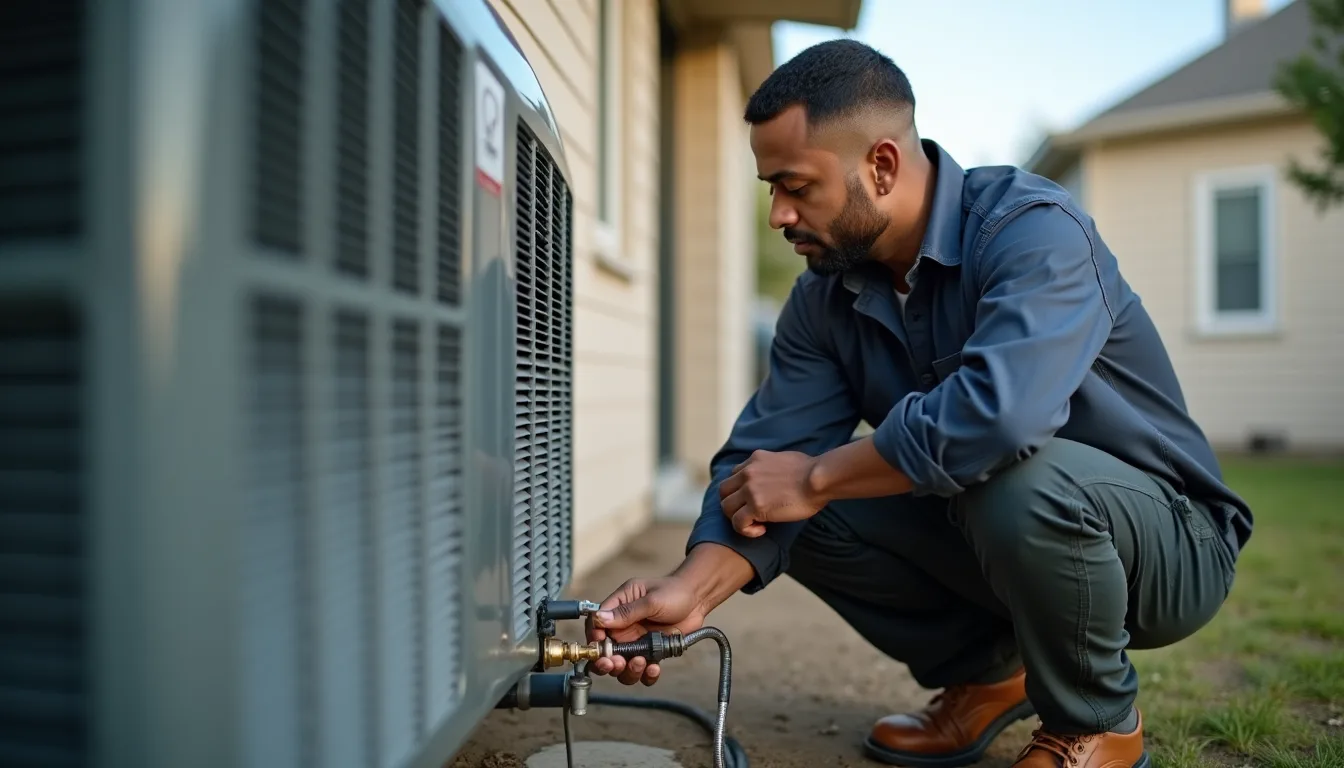
If you spot oily residue or the ground around your AC unit is unusually wet, this can signal a refrigerant leak. Refrigerants can produce a greasy film when they leak, reflecting a critical need for inspection.
Swift action can save you between $200 and $600, depending on the repairs needed to halt the leakage.
6. 6. Schedule Regular AC Maintenance
A preventive maintenance plan can identify potential refrigerant leaks before they lead to significant issues. Technicians can check your system and ensure everything is up to code, reducing the likelihood of breakdowns.
In Miami, consider budgeting around $150 to $250 for an annual maintenance service, which can ultimately save you from unexpected repair costs.
Miami Climate & Local Context
Miami's coastal climate, characterized by high humidity and salt air, poses unique challenges for air conditioning systems. Residue from salty air can lead to corrosion of AC components, especially if leaks are left unattended. Elevated homes are constructed with moisture barriers to mitigate flooding risks, but the AC system must remain efficient to prevent interior damage, especially during hurricane season.
Local building codes often necessitate specific standards for mechanical systems, which can vary based on proximity to the coast. Understanding these regulations can impact how you approach AC repairs or replacements in your home.
When to Call a Professional
Recognizing when to DIY versus when to call a professional can significantly influence your AC's longevity. Simple tasks like changing air filters can often be managed by homeowners, but refrigerant-related issues require specialized knowledge and tools.
- Ice buildup on coils
- Unusual sounds from the unit
- Unexplained increases in energy bills
- Noticeable leaks around the unit
- Failure to cool certain areas of the home
Addressing these problems quickly with professional assistance can help ensure your AC unit operates efficiently year-round, especially during our hottest months.
Frequently Asked Questions
What are the most common causes of refrigerant leaks?
In Miami, refrigerant leaks often result from corrosion due to salt air, improper installation, or damage from external impacts, such as storm debris.
How quickly should I address a refrigerant leak?
If you suspect a refrigerant leak, addressing it within 24 hours is recommended to avoid further damage to your AC unit.
Are refrigerant leaks dangerous?
While most refrigerants are not harmful, prolonged exposure can pose health risks. It's crucial to have leaks repaired promptly by a certified technician.
What can I do to prevent refrigerant leaks?
Regular maintenance checks can identify potential problems early on. Ensure your system is inspected at least once annually, especially before the summer heat.
How much does it cost to repair a refrigerant leak in Miami?
The cost to repair a refrigerant leak can range from $200 to $600, particularly depending on the extent of the leak and necessary repairs.
Get Expert Air Conditioning Repair Service in Miami
If you're noticing any of these warning signs with your AC, don’t hesitate to reach out. Protect your comfort and your home by getting in touch with Nanovis Innovations AC Repairs West Little River today.
We understand the unique challenges of Miami’s climate and are here to help ensure your air conditioning unit runs efficiently throughout the year.